Uncategorized
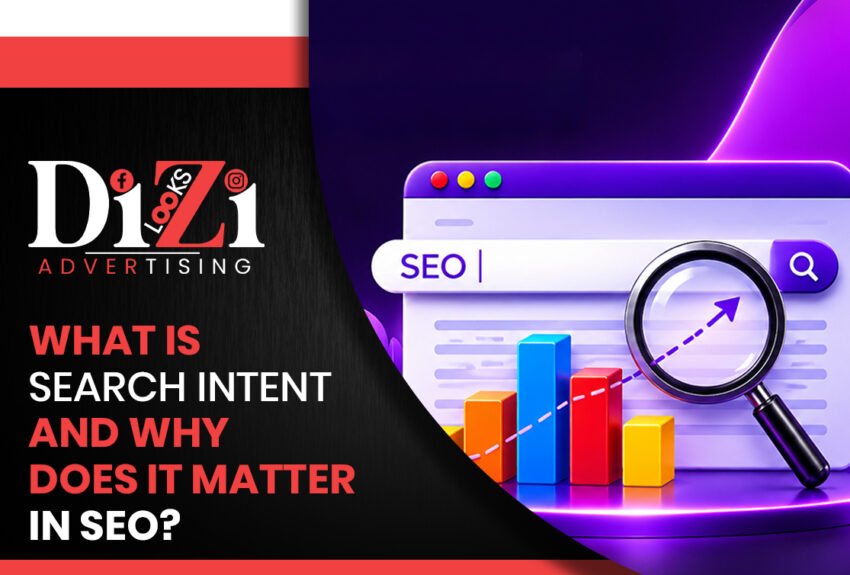
What Is Search Intent and Why Does It Matter in SEO? This is one of the most important questions businesses should understand when planning an effective SEO strategy. Ranking on Google is not just about adding keywords to website content or building backlinks. It is about understanding what users are searching for, why they are searching for it, and what kind of information they expect to find.
Every search query has a purpose. Some people want to learn something, some are comparing different products or services, while others are ready to make a purchase. If your website content matches the purpose behind a user’s search, it has a better chance of attracting relevant visitors, improving engagement, and generating quality leads.
At DiziLooks Advertising, we believe successful SEO starts with understanding your audience. By identifying search intent and creating content that answers real user queries, businesses can build stronger search visibility and connect with potential customers at the right stage of their buying journey.
What Is Search Intent in SEO?
Search intent in SEO refers to the main purpose or reason behind a user’s search query on a search engine like Google. It explains what a person wants to achieve when they enter a particular keyword or question.
For example, consider these three searches:
- “What is digital marketing?” – The user wants to learn about a topic.
- “Best digital marketing agency in Gurgaon” – The user wants to compare service providers.
- “Hire a digital marketing agency in Gurgaon” – The user is looking for a service and may be ready to contact an agency.
Although all three searches relate to digital marketing, their purposes are different. This is why businesses should not create the same type of content for every keyword.
Understanding user search intent, also known as keyword intent, helps you create relevant website pages, blogs, landing pages, and service content that meet the expectations of your target audience.
Why Does Search Intent Matter in SEO?
Understanding why search intent matters in SEO can help businesses move beyond simply chasing keyword rankings. The goal should be to attract visitors who are genuinely interested in the information, products, or services you offer.
Here are some important reasons why search intent plays a major role in SEO performance.
1. Helps You Create Relevant Content
When you understand what users expect from a search query, you can create content that directly addresses their needs.
For example, someone searching for “benefits of social media marketing” expects an informative blog rather than a service pricing page. Similarly, someone searching for “social media marketing agency in Gurgaon” is more likely to expect a service page that explains the agency’s expertise and offerings.
Matching content with search intent makes your website more useful and relevant to visitors.
2. Improves Your Chances of Ranking on Google
Google aims to provide users with relevant results that satisfy their search queries. When your content matches the purpose behind a keyword and provides useful information, it is better aligned with what searchers are looking for.
However, matching search intent does not guarantee rankings. Content quality, website experience, technical SEO, competition, and authority also influence search performance.
3. Attracts the Right Website Traffic
High website traffic does not always mean better business results. If visitors arrive on your website but cannot find what they need, they may leave without taking any action.
By targeting the right SEO search intent, you can attract people who are more likely to engage with your content, explore your services, or become potential customers.
4. Improves User Experience
When visitors find exactly what they are looking for, they can navigate your website more easily.
For example, a user searching for website development services should land on a page that explains your website design capabilities, development process, features, and contact options.
A clear connection between search queries and website content creates a better user experience.
5. Supports Better Conversion Opportunities
Different users are at different stages of their decision-making journey. Some are researching, while others are comparing service providers or preparing to make a purchase.
Creating content for each stage helps you guide visitors from discovering your business to considering your services and eventually contacting your team.
What Are the 4 Types of Search Intent?
There are four commonly recognised types of search intent in SEO. Understanding each type helps you decide what kind of content to create for your target keywords.
1. Informational Search Intent
<bold>Informational search intent</bold> occurs when users want to learn something, find an answer, or understand a particular topic.
These users are usually looking for information rather than making an immediate purchase.
Examples of informational keywords:
- What is search intent in SEO?
- How does SEO work?
- Why is digital marketing important?
- How to improve website ranking?
- What are the benefits of content marketing?
Best content formats:
- Informational blogs
- How-to guides
- Tutorials
- Educational articles
- Step-by-step explanations
For example, this blog targets informational search intent because readers want to understand what search intent means and why it matters in SEO.
2. Navigational Search Intent
<bold>Navigational search intent</bold> occurs when users are searching for a specific brand, website, or online destination.
They already know where they want to go and use a search engine to reach it.
Examples of navigational keywords:
- DiziLooks Advertising
- DiziLooks website
- Google Search Console login
- Instagram login
- Facebook Ads Manager
Best content formats:
- Homepage
- Brand pages
- Login pages
- Contact pages
- Dedicated business or service pages
For businesses, having a clear brand identity and properly optimised website pages can help users find their official online presence.
3. Commercial Investigation Search Intent
<bold>Commercial investigation intent</bold> refers to searches made by people who are researching and comparing different products, services, or businesses before making a decision.
These users are interested in buying but want to evaluate their options first.
Examples of commercial investigation keywords:
- Best digital marketing agency in Gurgaon
- Top SEO companies in India
- SEO agency vs freelancer
- Best website development company
- Digital marketing agency reviews
Best content formats:
- Comparison articles
- Service comparison pages
- Case studies
- Customer testimonials
- Detailed service guides
For example, a person searching for the best digital marketing agency in Gurgaon may compare agencies based on their services, experience, portfolio, and client results before selecting one.
4. Transactional Search Intent
<bold>Transactional search intent</bold> occurs when users are ready to take a specific action. This could include purchasing a product, booking a service, requesting a quote, or contacting a business.
These searches often show a strong intention to convert.
Examples of transactional keywords:
- Hire an SEO agency in Gurgaon
- Book website development services
- Buy digital marketing course online
- Contact SEO company
- Get a digital marketing consultation
Best content formats:
- Service landing pages
- Product pages
- Pricing pages
- Booking pages
- Contact forms
- Enquiry pages
Businesses should make these pages clear and action-oriented, with relevant information and simple ways for visitors to get in touch.
Search Intent Examples: How Different Keywords Work
The same industry can have multiple search intents depending on how users frame their queries.
| Search Keyword | Search Intent | Suitable Content |
|---|---|---|
| What is SEO? | Informational | Educational blog |
| DiziLooks Advertising | Navigational | Homepage |
| Best SEO agency in Gurgaon | Commercial | Comparison or service page |
| Hire SEO company in Gurgaon | Transactional | SEO service landing page |
| How much does SEO cost? | Commercial | Pricing guide |
| SEO services near me | Transactional / local | Local SEO service page |
This approach helps businesses understand that keyword selection and content planning should go hand in hand.
How to Identify Search Intent for Your Target Keywords
Identifying search intent for keywords does not have to be complicated. You can use a combination of keyword research, search engine results analysis, and audience understanding.
Here are some practical steps to follow.
1. Analyse Google Search Results
One of the easiest ways to understand search intent is to search your target keyword on Google.
Observe the types of pages appearing on the first page. Are they blogs, product pages, service pages, comparison articles, or videos?
For example, if most results for a keyword are detailed informational blogs, creating a sales-focused landing page may not be the best approach.
The search results provide useful clues about the type of content users expect.
2. Understand Keyword Modifiers
Certain words in a search query can indicate what a user wants.
For example:
- Informational: What, why, how, guide, tips, benefits
- Commercial: Best, top, comparison, review, vs
- Transactional: Buy, hire, book, order, price
- Navigational: Brand names, website names, login
These words are not fixed rules, but they help you understand the possible purpose behind a keyword.
3. Use Keyword Research Tools
SEO tools can help you discover relevant keywords, analyse search volume, understand keyword variations, and identify opportunities.
Some useful tools include:
- Google Keyword Planner
- Google Search Console
- Semrush
- Ahrefs
- Google Trends
Use these tools to build keyword groups based on user needs rather than selecting keywords only because they have high search volume.
4. Study Your Target Audience
Think about the questions your potential customers ask before choosing a product or service.
For a digital marketing agency, customers may search for:
- How does SEO help businesses?
- How much does social media marketing cost?
- Which digital marketing agency should I choose?
- How can I generate leads online?
Understanding these questions helps you create content that addresses actual customer concerns.
5. Check Related Searches and People Also Ask
Google’s related searches and People Also Ask sections can reveal additional questions users have about a topic.
These insights can help you identify subtopics, create useful headings, and cover related questions naturally within your content.
How to Optimise Your Website Content for Search Intent
Once you identify the purpose behind your target keywords, the next step is to align your website content with those expectations.
Here are some effective search intent optimisation practices.
1. Match the Content Format with User Expectations
Choose a content format that suits the keyword.
- Informational keywords need educational blogs and guides.
- Navigational keywords need clear brand and website pages.
- Commercial keywords need comparisons, reviews, and case studies.
- Transactional keywords need service pages, pricing details, and clear enquiry options.
Avoid forcing every keyword into a blog post or every page into a sales pitch.
2. Create Clear and Helpful Headings
Use headings and subheadings that explain what each section covers. Include your primary and related keywords naturally without repeating them unnecessarily.
A well-organised structure also makes content easier for visitors and search engines to understand.
3. Answer Important Questions Directly
Start relevant sections with clear answers before expanding into detailed explanations.
For example:
What is search intent?
Search intent is the purpose behind a user’s search query. It helps businesses understand whether people want information, are comparing options, are looking for a specific website, or are ready to take action.
Direct answers make your content easier to scan and can improve its suitability for search features that display concise answers.
4. Add Relevant Internal Links
Connect related blogs, service pages, and website resources through meaningful internal links.
For example, a blog about search intent can link to relevant pages covering SEO services, keyword research, content marketing, and website development.
Internal linking helps users discover related information and gives search engines more context about your website structure.
5. Keep Content Updated and Accurate
Search trends, user expectations, and industry information can change over time. Review important pages regularly to ensure the information remains accurate, relevant, and useful.
Update outdated statistics, broken links, examples, and service details wherever necessary.
How Search Intent Supports Answer-Based and AI-Powered Search
Search behaviour is changing. Users increasingly expect direct answers, clear explanations, and reliable information instead of having to visit multiple websites to find what they need.
This makes it important to structure website content in a way that is useful for both traditional search engines and AI-powered discovery experiences.
Businesses can follow these practices:
1. Provide Clear Answers to Specific Questions
Create dedicated sections that answer common questions related to your main topic. Keep the first answer direct and expand with supporting explanations, examples, and practical information.
2. Use Question-Based Headings
Include natural questions that your audience may ask.
For example:
- What is search intent in SEO?
- Why is search intent important?
- How can you identify keyword intent?
- What are the different types of search intent?
This makes the content easier to navigate and helps search systems understand which questions each section addresses.
3. Build Topic Depth Through Related Content
Do not depend on a single blog to cover every aspect of a subject. Create supporting articles around related topics and connect them through relevant internal links.
For example, a website discussing search intent can also publish useful content about keyword research, on-page SEO, content strategy, search engine algorithms, and organic traffic growth.
This creates a connected library of information around your subject.
4. Demonstrate Experience and Expertise
Publish original insights, practical examples, case studies, and accurate information. Explain concepts clearly and support important claims with trustworthy sources where appropriate.
Content that provides genuine value is more useful to readers than pages created simply to repeat popular keywords.
5. Use Structured Data Where Relevant
Structured data, such as appropriate Article, Organisation, Product, and LocalBusiness schema, can help search engines interpret specific information about your website.
Use only schema types that accurately represent the content on each page. Structured data does not guarantee rich results or AI citations, but it can improve the clarity of information available to search engines.
Common Search Intent Mistakes Businesses Should Avoid
Even businesses investing in SEO sometimes make mistakes that prevent their content from meeting user expectations.
Here are some common issues to avoid:
1. Targeting Keywords Without Understanding Their Purpose: Choosing keywords only on the basis of search volume can attract visitors who are not interested in your offering.
2. Using the Wrong Page Type: Publishing a general blog for a keyword where users expect a service or product page can create a mismatch.
3. Keyword Stuffing: Repeating the same keyword excessively makes content difficult to read and does not create a better experience.
4. Ignoring the Customer Journey: Focusing only on informational keywords may bring visitors but miss opportunities to reach people who are comparing or ready to purchase.
5. Creating Content Without Clear Answers: Long articles that do not address the main question quickly can frustrate readers.
6. Ignoring Search Result Changes: Search results can change as user expectations and ranking systems evolve. Review your target keywords and content periodically.
How DiziLooks Advertising Helps Businesses Build an Intent-Focused SEO Strategy
At DiziLooks Advertising, we understand that effective SEO is about more than improving keyword positions. It is about connecting businesses with the right audience through relevant, useful, and well-structured content.
Our digital marketing approach focuses on understanding customer behaviour, identifying valuable search opportunities, and building strategies that support long-term online growth.
Our SEO and digital marketing services include:
- Keyword Research: Identifying relevant primary, secondary, and long-tail keywords based on search behaviour and business goals.
- Search Intent Analysis: Understanding what users expect from different search queries and matching them with suitable website pages.
- On-Page SEO: Optimising headings, meta titles, meta descriptions, URLs, internal links, and website content.
- Content Marketing: Developing informative blogs, service pages, and website content that address customer questions.
- Technical SEO: Improving website structure, crawlability, indexing, and overall technical performance.
- Local SEO: Helping businesses improve their visibility for relevant location-based searches.
- Performance Monitoring: Tracking keyword performance, organic traffic, engagement, and conversions to identify improvement opportunities.
We focus on creating SEO strategies that connect user requirements with business objectives, helping brands build a stronger digital presence.
Final Thoughts
Understanding what search intent is and why it matters in SEO is essential for creating content that attracts the right audience. Instead of focusing only on keyword rankings, businesses should understand the purpose behind every search and provide information that meets user expectations.
Whether someone is looking for information, exploring a brand, comparing services, or preparing to make a purchase, your website should offer the right content at the right stage.
A well-planned search intent SEO strategy can help improve content relevance, strengthen website experience, attract qualified organic traffic, and support better conversion opportunities.
At DiziLooks Advertising, we believe that the foundation of successful SEO is understanding people first and search engines second. When your content answers real questions and provides genuine value, your website is better positioned to build trust and grow online.