Blog
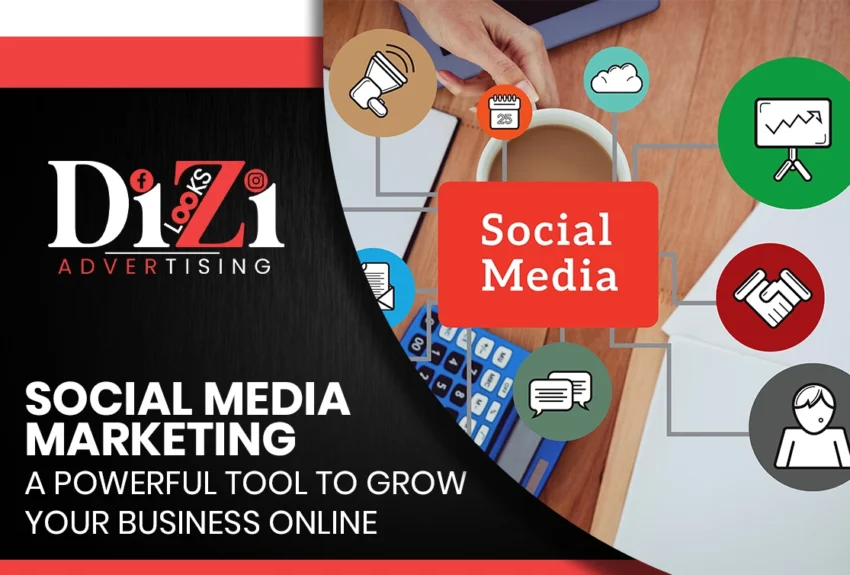
In today’s digital world, businesses need more than just a website to attract customers. People spend a significant amount of time on social media platforms, discovering new brands, exploring products, watching videos, and connecting with businesses. This is where Social Media Marketing becomes an important part of a company’s digital growth strategy.
Whether you run a small business, an online store, a real estate company, or a service-based agency, social media can help you reach potential customers and build lasting relationships with them. However, simply posting images and videos is not enough. You need the right strategy, engaging content, and a clear understanding of your target audience.
In this guide, we will explore seven powerful social media marketing strategies that can help businesses improve brand awareness, increase audience engagement, generate leads, and achieve sustainable growth.
What Is Social Media Marketing?
Social Media Marketing is the process of promoting a business, product, or service through social media platforms such as Instagram, Facebook, LinkedIn, YouTube, and Pinterest. It involves creating and sharing valuable content, interacting with followers, running paid advertising campaigns, and analysing performance to improve results.
The main objective is to connect with the right audience and encourage them to take meaningful actions, such as visiting your website, enquiring about a service, or making a purchase.
An effective social media marketing strategy combines creative content, audience research, consistent communication, and data-driven decisions. Instead of focusing only on likes and followers, businesses should also measure website visits, qualified leads, conversions, and customer retention.
Why Is Social Media Marketing Important for Business Growth?
Social media has changed how businesses communicate with their customers. Instead of depending entirely on traditional advertising, brands can now connect directly with their audiences and share information in real time.
Here are some important benefits of social media marketing.
1. Builds Brand Awareness
Regularly publishing useful and engaging content helps people become familiar with your brand. When users repeatedly see your business posts, videos, and stories, they have more opportunities to recognise your company.
For example, a digital marketing agency can share SEO tips, website design examples, campaign results, and marketing insights to demonstrate its expertise.
2. Helps Reach the Right Audience
Social media platforms provide different ways to reach people based on factors such as interests, location, and engagement behaviour. This helps businesses make their marketing efforts more relevant to potential customers.
A local service provider, for instance, can create content focused on its target city rather than trying to reach an audience across the entire country.
3. Generates Business Leads
Social media can help businesses attract enquiries through direct messages, lead forms, website links, and call-to-action buttons.
When content addresses customer problems and clearly explains a service’s benefits, it can encourage interested users to take the next step.
4. Strengthens Customer Relationships
Responding to comments, answering questions, and sharing helpful information makes communication more personal. These interactions can help build trust and encourage customers to engage with a brand again.
7 Powerful Social Media Marketing Strategies for Business Growth
A successful campaign requires more than frequent posting. The following strategies can help you develop a practical approach that supports your business objectives.
1. Define Your Target Audience
Before creating content, identify the people you want to reach. Understanding your audience helps you choose suitable platforms, topics, formats, and advertising messages.
Consider the following questions:
- Who are your ideal customers?
- What problems are they trying to solve?
- Which social media platforms do they use?
- What type of content interests them?
- What motivates them to contact or purchase from a business?
For example, LinkedIn may be useful for B2B services and professional networking, while Instagram can be effective for visual storytelling, product discovery, and short-form videos.
A clear audience profile makes social media marketing more focused and helps reduce wasted effort.
2. Create Valuable and Engaging Content
Content is the foundation of social media communication. People are more likely to interact with posts that educate, entertain, inspire, or solve a problem.
Instead of publishing promotional messages every day, maintain a balanced content strategy.
Types of Content You Can Create
Educational content: Share tips, tutorials, industry insights, and answers to common customer questions.
Behind-the-scenes content: Show your team’s work, production process, office environment, or project development.
Customer success stories: Share genuine testimonials, case studies, and results with appropriate permission.
Short-form videos: Create reels and short videos explaining services, demonstrating products, or addressing common problems.
Promotional content: Highlight your services, offers, product features, and special announcements without making every post feel like an advertisement.
The best content strategy depends on your audience and business goals. Test different formats to understand what attracts meaningful engagement.
3. Use Instagram Reels and Short-Form Videos
Short-form videos are an important content format for businesses looking to communicate information quickly and attract attention.
Instagram Reels, YouTube Shorts, and similar formats can help explain complicated topics in a simple and engaging way.
For example, a digital marketing agency could publish videos about common SEO mistakes, website speed improvements, social media tips, and advertising strategies.
To make your videos more effective:
- Start with an interesting opening.
- Focus on one main idea per video.
- Use clear language and readable on-screen text.
- Keep the content relevant to your target audience.
- Include a suitable call to action.
- Review watch time, shares, saves, and enquiries to understand performance.
Consistency is useful, but quality and relevance matter more than posting videos simply to meet a daily target.
4. Maintain a Consistent Posting Schedule
Consistency helps businesses stay visible and develop a recognisable brand identity. However, posting too frequently without a clear purpose can reduce content quality.
Create a social media content calendar to plan posts, reels, stories, campaigns, and important announcements in advance.
For example, a weekly schedule might include an educational post on Monday, a short video on Wednesday, a customer-focused post on Friday, and a behind-the-scenes story over the weekend.
Choose a schedule that your team can maintain comfortably. Use platform analytics to identify when your audience is active, then test different posting times instead of relying entirely on general recommendations.
A planned approach makes social media marketing easier to manage and helps ensure that your content supports wider business objectives.
5. Invest in Targeted Social Media Advertising
Organic content helps businesses build an audience over time, while paid advertising can provide additional reach and targeted campaign opportunities.
Platforms such as Facebook, Instagram, and LinkedIn offer advertising options for different business goals, including website traffic, lead generation, brand awareness, and sales.
Before launching a campaign, define its primary objective and decide how you will measure success.
How to Improve Social Media Ad Performance
- Use audience targeting relevant to your product or service.
- Write clear and benefit-focused ad copy.
- Choose creative images and videos that match the offer.
- Create a landing page that supports the advertisement.
- Test different headlines, creatives, and audience segments.
- Monitor cost per lead, conversion rate, and lead quality.
For example, a real estate company can promote property listings using location-relevant creatives and enquiry forms. The campaign should also provide accurate property information and a clear next step for interested buyers.
Remember that a large number of leads does not automatically mean a successful campaign. The quality of enquiries and their likelihood of converting into customers are equally important.
6. Work With Influencers and Content Creators
Influencer collaborations can help businesses introduce their products or services to relevant audiences. The most effective partnerships are based on audience alignment, credibility, and the creator’s ability to communicate the brand’s message naturally.
A local business might collaborate with a regional creator, while an online brand could work with creators who regularly discuss products in its category.
Before selecting a creator, review their audience, content quality, engagement patterns, and previous partnerships. Agree on campaign deliverables and track results using dedicated links, discount codes, enquiries, or other relevant measurements.
Rather than choosing a creator based only on follower count, prioritise genuine relevance and the potential to reach interested customers.
7. Track Performance and Improve Your Strategy
One of the biggest advantages of digital marketing is the ability to measure campaign performance and make informed improvements.
Regular analysis helps you identify which content attracts attention, which campaigns generate enquiries, and where your marketing budget is producing useful results.
Important metrics include:
- Reach: The number of unique accounts that see your content.
- Engagement rate: The level of interaction your content receives relative to an appropriate audience or reach measure.
- Website clicks: The number of users who click through to your website.
- Cost per lead: The advertising cost associated with generating a lead.
- Conversion rate: The percentage of relevant visitors or leads who complete a desired action.
- Return on ad spend: The revenue attributed to advertising relative to the advertising expenditure.
Use the analytics available on each platform and connect website analytics where appropriate. Review performance regularly, identify patterns, and adjust your content or campaigns based on evidence.
The goal of social media marketing is not just to collect impressive numbers. It is to understand which activities contribute to your actual business goals.
Which Social Media Platforms Should Your Business Use?
Different platforms serve different purposes. Choosing the right channels depends on your audience, industry, available resources, and marketing objectives.
Facebook can support local business promotion, community engagement, customer communication, and paid advertising. It may be particularly useful for businesses that want to reach a defined geographic audience.
Instagram is well suited to visual content, product demonstrations, reels, brand storytelling, and customer interaction. Businesses in fashion, lifestyle, real estate, hospitality, and other visual industries may find it useful.
LinkedIn is valuable for professional networking, B2B marketing, employer branding, and sharing industry expertise. Service providers can use it to develop professional relationships and reach decision-makers.
YouTube
YouTube supports educational videos, product demonstrations, tutorials, interviews, and longer-form content. It can help businesses answer customer questions and build a library of useful video resources.
You do not need to be active on every platform. Start with the channels that best match your target audience and focus on creating quality content consistently.
Common Social Media Marketing Mistakes to Avoid
Even businesses with good products and services can struggle when their social media strategy lacks direction.
Here are some common mistakes to avoid:
Posting Without a Clear Goal
Every campaign should have a purpose, whether it is brand awareness, audience engagement, website traffic, lead generation, or sales.
Focusing Only on Likes and Followers
Engagement can provide useful insights, but it does not always translate into revenue. Monitor business-related outcomes alongside engagement metrics.
Ignoring Comments and Messages
Slow responses can create a poor customer experience. Set aside time to answer relevant questions and handle enquiries professionally.
Using the Same Content Everywhere
Each platform has its own audience expectations and content formats. Adapt your message and creative approach to suit the channel.
Expecting Instant Results
Building brand recognition and trust takes time. Paid campaigns can generate faster exposure, but sustainable results still depend on relevant offers, effective communication, and a good customer experience.
Avoiding these mistakes can help make your marketing efforts more consistent and productive.
How Social Media Marketing Works With SEO
Social Media Marketing and search engine optimisation serve different purposes, but they can support a broader digital marketing strategy.
SEO helps improve a website’s visibility in organic search results, while social media helps businesses distribute content, engage audiences, and increase brand exposure.
For example, a business can publish an informative blog on its website and share key insights through Instagram posts, LinkedIn updates, or short videos. These activities may introduce new audiences to the content and encourage people to visit the website.
Social media engagement is not a direct Google ranking factor in the same way as established search ranking signals. However, effective content distribution can support brand discovery and create opportunities for people to find and reference your business.
Combining useful website content with relevant social media activity can help businesses maintain a more consistent online presence.
How to Build a Social Media Marketing Plan
If you want to put these strategies into practice, start with a simple plan.
Step 1: Set clear objectives. Decide whether your priority is awareness, website traffic, enquiries, or sales.
Step 2: Research your audience. Understand their needs, interests, preferred platforms, and common questions.
Step 3: Select suitable platforms. Focus on the channels that offer the strongest fit for your audience and business.
Step 4: Plan your content. Create a content calendar that balances educational, engaging, community-focused, and promotional posts.
Step 5: Launch and engage. Publish content consistently, respond to your audience, and test paid campaigns where appropriate.
Step 6: Measure results. Review performance against your objectives and identify areas for improvement.
Step 7: Optimise regularly. Use the insights you collect to improve your content, creative assets, audience targeting, and overall approach.
A simple plan that is reviewed regularly is often more useful than a complicated strategy that is difficult to implement.
Conclusion
Social Media Marketing has become an important part of business growth because it gives brands opportunities to connect with audiences, communicate their value, and generate meaningful customer interactions.
The key is to focus on the right audience, create useful content, choose suitable platforms, maintain consistency, and measure results. Reels, paid advertising, influencer partnerships, and performance analysis can all contribute to a stronger strategy when used with a clear purpose.
Whether you are building a new brand or improving an established business, start with realistic goals and refine your approach as you learn what works.
Looking to improve your online presence? A well-planned digital marketing strategy can help bring your website, SEO, social media, and paid campaigns together to support your business objectives. Focus on delivering value to your audience, and build your marketing efforts around measurable results.